
means three different things — a shipping line that owns the vessels, a
freight forwarder that books space across many lines and handles your cargo end
to end, and a shipping agent that represents a line locally. Most businesses with
cargo to move need a forwarder, not a line — because a line sells you a slot, and a
forwarder solves the shipment.
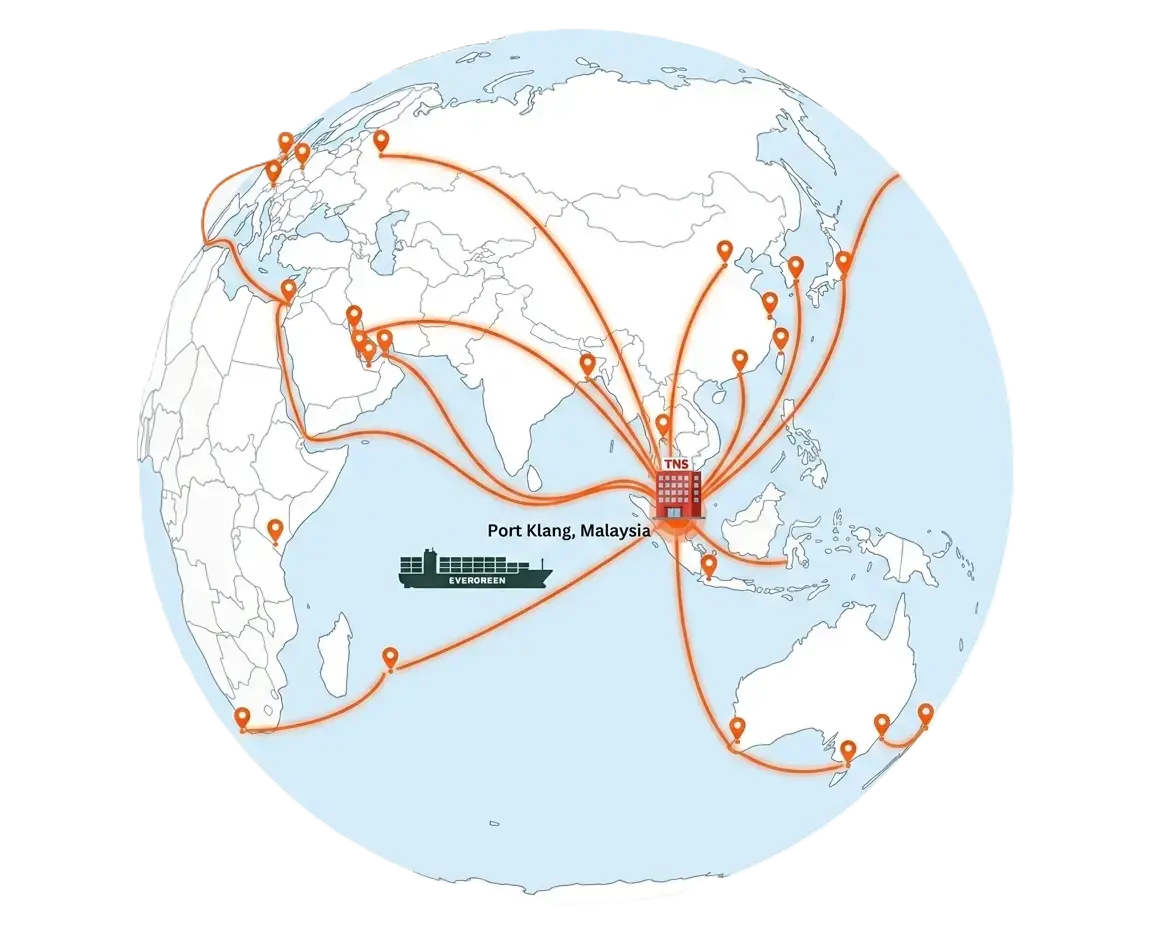
- “Shipping company” means three things: a line (owns vessels), a forwarder (books across lines, handles everything), and an agent (represents one line locally).
- A line sells you a slot port to port. A forwarder is accountable for the whole shipment — haulage, customs, documents and delays.
- Going direct only pays off with high steady volume plus in-house customs and logistics capability. LCL is realistically only available through a forwarder.
- Ask whether they hold their own customs licence and which carriers they actually book with — that decides what happens when space tightens or a container is held.
The three things people mean
- Shipping line (carrier) — owns or operates the vessels and the
containers: Maersk, MSC, ONE, CMA CGM, Evergreen, OOCL, Hapag-Lloyd. They sell
ocean transport from port to port. - Freight forwarder — does not own vessels. Books space across many
lines, arranges haulage, handles documentation and customs, and is accountable for
the shipment as a whole. - Shipping agent — represents a specific line in a specific country,
handling their vessel calls and bookings locally. Useful if you already know which
line you want.
Which one do you actually need?
Go direct to a line if you ship high, steady volume on one lane, have your own customs
capability, and have someone in-house to manage bookings, documentation and exceptions.
For a small number of very large shippers, that is the right answer.
For everyone else, a forwarder is the practical choice, for reasons
that only become obvious when something goes wrong:
- Rates across lines, not one line’s tariff. Rates move constantly
and no single carrier is best on every lane every month. - One accountable party. A line’s responsibility runs port to port.
Haulage, customs, storage and delivery are your problem — unless a forwarder is
holding all of it. - Access when space is tight. In peak season a forwarder with volume
across several carriers has options a direct shipper does not. - LCL is only realistic through a forwarder. Lines sell containers,
not part-containers. - Someone answers the phone. When a container is held for inspection
or a document is wrong, you need a person, not a portal.
What a forwarder should actually be doing
- Booking — space on a sailing that fits your cut-offs, not just the
cheapest rate on a lane. - Documentation — bill of lading, shipping instructions, VGM.
- Customs — the declaration. Worth asking whether they file it
themselves or subcontract it;
not every
forwarder holds the licence. - Haulage — moving the container between port and premises, which is
where free time is won or lost. - Warehousing and consolidation — where cargo needs to wait or be
combined. - Watching the clock — cut-offs on export, free time on import.
Demurrage and
detention is what happens when nobody is.
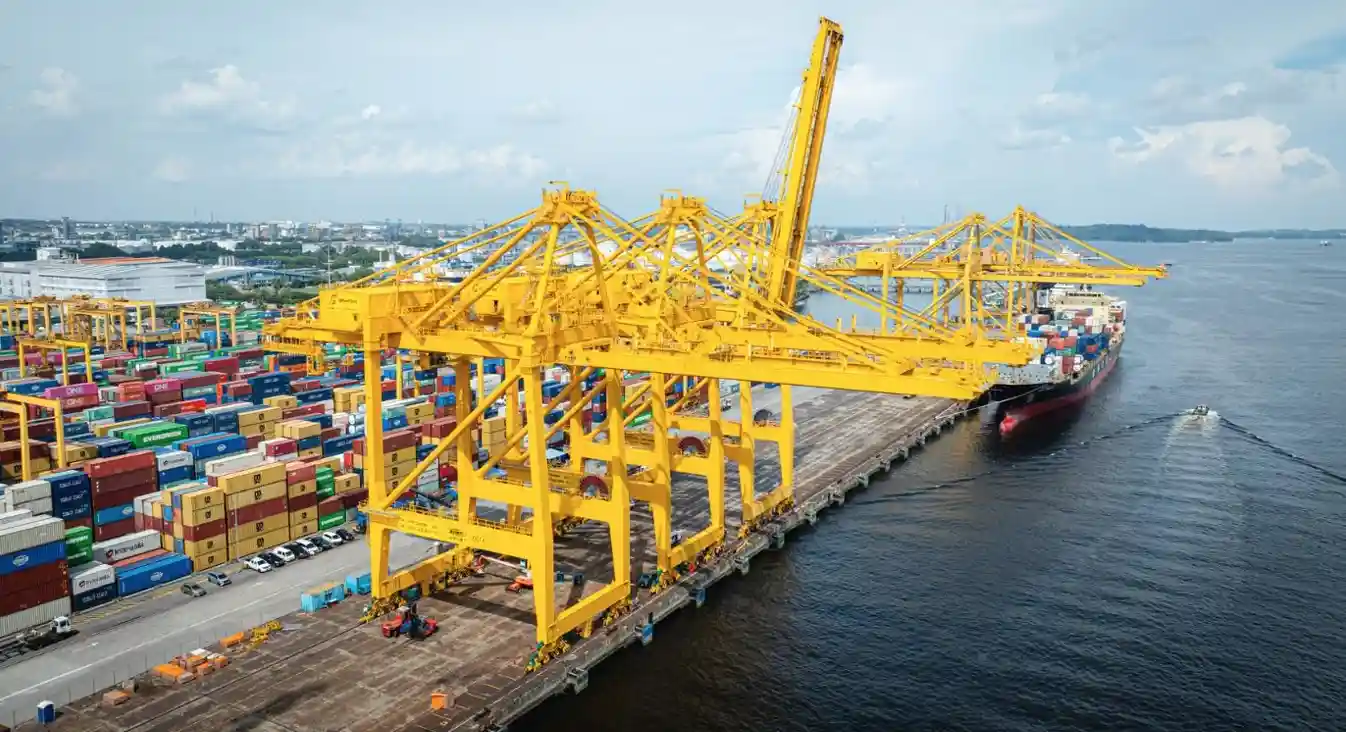
Shipping out of Malaysia: the ports you will use
Port Klang (Westport and Northport) is the country’s main gateway and
the default for Klang Valley cargo. Tanjung Pelepas in Johor is a major
transhipment hub and often the better option for southern cargo or certain services.
Penang serves the north, and Pasir Gudang handles a
large share of industrial and bulk cargo out of Johor.
Which port suits you is usually decided by where your cargo is, which services call
there, and haulage cost — not by the port’s size. A forwarder that works across all of
them can compare properly; one tied to a single port cannot.
FCL, LCL or air
- FCL — you take the whole container. Cheaper per unit once you have
the volume, and you control the stuffing and the seal. - LCL — your cargo shares a container. Right for smaller
consignments, but there are more handling touches and transit is less predictable. - Air — for high value-to-weight cargo or when a deadline has already
slipped.
How to choose one
- Do they hold their own customs licence, or subcontract clearance?
- Which carriers do they actually book with? A forwarder with
relationships across several lines has options when space tightens. - Can they quote door to door, and will they state what is excluded?
- Do they run their own haulage, or depend on whoever is available?
- Who will you deal with day to day, and can you reach them when a
container is held? - How long have they been doing it? Exception handling is experience,
not process.
Tell us your cargo, origin and destination. We book FCL and LCL across the major carriers, clear customs in-house as a licensed agent, and quote door to door.
Frequently Asked Questions
What is the difference between a shipping company and a freight forwarder?
A shipping line owns the vessels and sells port-to-port transport. A freight forwarder
owns no vessels but books across many lines and handles haulage, documentation and
customs — taking responsibility for the whole shipment rather than one leg.
Is it cheaper to book directly with a shipping line?
Not usually, unless you ship large steady volumes and have in-house customs and
logistics capability. Forwarders buy across carriers and can often match or beat a single
line’s rate — and the cost that matters is the total to your door, including
clearance, haulage and any delay charges.
Can a freight forwarder handle customs clearance too?
Only if it holds a customs agent licence. Many forwarders do not and subcontract the
filing. Ask directly, because it changes how quickly a Customs query gets answered.
Which port should I ship from in Malaysia?
Usually the one closest to your cargo with the right service — Port Klang for the
Klang Valley, Tanjung Pelepas or Pasir Gudang for Johor, Penang for the north. Haulage
cost and sailing schedule matter more than port size.
What is a shipping agent?
A company that represents a specific shipping line locally, handling its vessel calls
and bookings. Useful if you have already chosen the line; less useful if you want options
across carriers.
Booking across carriers, clearing in-house
TNS Log Services is a freight forwarder based at Port Klang, shipping since 2014. We
book FCL and LCL across the major carriers, hold our own customs agent licence and file
declarations in-house, and run haulage from Westport and Northport — so one company
is accountable from booking to delivered container.
See how exporting works,
or message
us on WhatsApp with your cargo, origin and destination — we will come back with
a door-to-door quote and the sailing options.