Call Our Sales
Albee012-713 9629 Wenxin012-952 9629 Kai012-831 9629 Umi012-247 9629 Mei012-236 9629

Quick answer: To minimize risk during marine transportation from Malaysia, ensure accurate documents, select reliable carriers at Port Klang, use proper packaging, and align your insurance coverage with your cargo's risk profile. Reliable shipping partners and correctly completed Bills of Lading and K1 declarations are essential to avoid delays and damage.
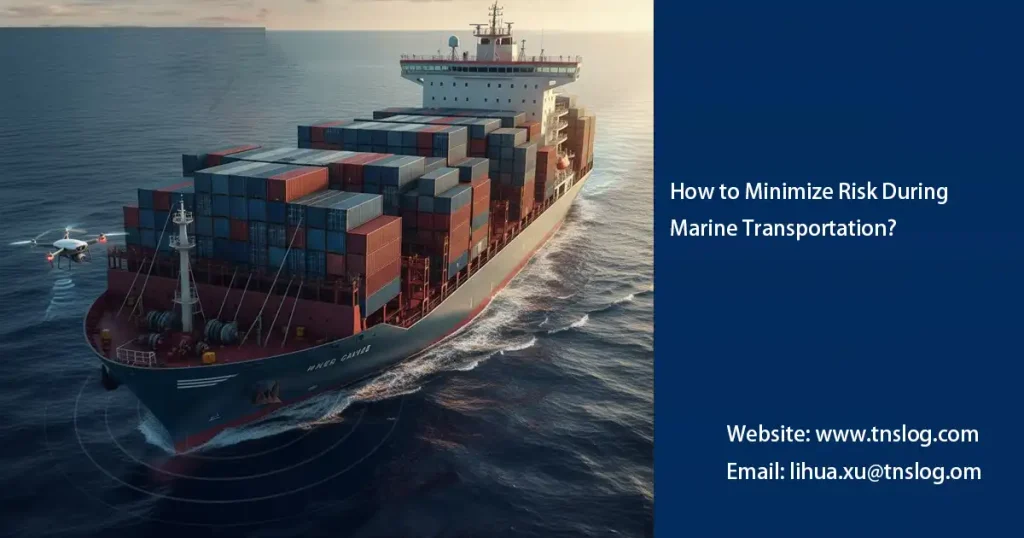
How to Minimize Risk During Marine Transportation?

Ensuring the safety of cargo during marine transportation is not just about having the right insurance—it begins long before your shipment leaves the port. From proper documentation to cargo handling, each step in the process can significantly impact the risk of loss or damage. This guide explores key strategies to minimize risk in ocean freight and protect your supply chain integrity.

How to Minimize Risk During Marine Transportation?

Proper Cargo Documentation

Accurate documentation is the foundation of safe and compliant marine transportation. Missing or incorrect details in your Bill of Lading (B/L), commercial invoice, or packing list can lead to costly delays, customs issues, or even cargo rejection.

To minimize documentation-related risks:

  • Ensure consistency across all shipping documents.
  • Verify that the consignee and cargo descriptions match your booking and insurance records.
  • Include relevant Incoterms to clarify liability during transit.
  • Keep digital copies of all documents in a secure system for quick retrieval during claims.

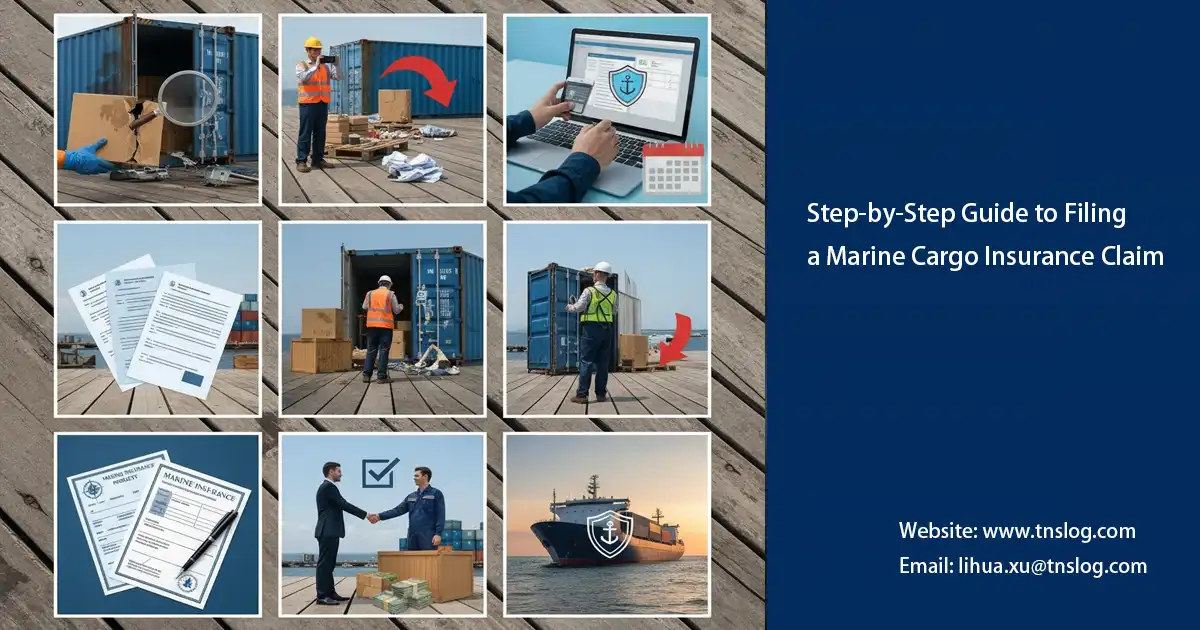
Proper documentation also plays a critical role when filing insurance claims. For guidance, refer to the article Step-by-Step Guide to Filing a Marine Cargo Insurance Claim.

Choosing Reliable Shipping Lines

Selecting a dependable carrier is crucial in minimizing transit risks. Not all shipping lines maintain the same standards of safety, cargo handling, or schedule reliability. Working with carriers known for on-time performance, modern vessels, and robust cargo handling practices can drastically reduce exposure to damage and delays.

When evaluating potential carriers, consider:

  • Fleet condition and maintenance records.
  • Compliance with international maritime safety regulations.
  • Track record in handling similar cargo types.
  • Availability of tracking and incident reporting systems.


Partnering with reliable carriers not only enhances cargo safety but also streamlines insurance coordination in case of unexpected events.

Packaging and Handling

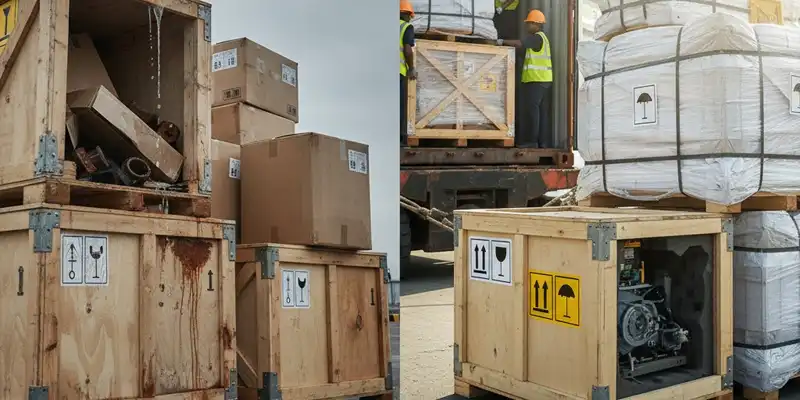
Even the most comprehensive insurance policy cannot compensate for poor packaging. In marine transportation, cargo is often exposed to rough handling, stacking pressure, humidity, and saltwater corrosion.

To reduce risk:

  • Use marine-grade packaging materials, such as moisture-resistant wraps and corrosion inhibitors.
  • Reinforce fragile or high-value goods with shock-absorbing materials and custom crates.
  • Label cargo clearly with “Handle with Care,” “Keep Dry,” or other appropriate handling instructions.
  • Train warehouse staff in proper cargo loading and securing techniques.


Remember, improper packaging can void your insurance coverage. Always verify that your packaging meets both insurance policy and carrier requirements.

Packaging and Handling in freight forwarding

Insurance Coverage Alignment

Even with the best operational measures in place, unforeseen events—storms, accidents, or piracy—can still occur. The key is ensuring your marine insurance policy aligns with your cargo’s risk profile and shipping route.

When reviewing or purchasing marine insurance:

  • Choose between All Risks, With Particular Average (WPA), or Free from Particular Average (FPA) based on your shipment value and risk tolerance.
  • Confirm whether your insurer covers war risk, theft, or temperature-sensitive goods, if applicable.
  • Ensure that your insurance provider and freight forwarder coordinate to prevent gaps in coverage.
  • Regularly review your policy as trade routes, carriers, and cargo types evolve.

You can also learn practical ways to lower your premium in Tips to Reduce Your Marine Cargo Insurance Premium.

Monitoring and Tracking Cargo

Real-time visibility into your shipment’s journey is one of the most effective ways to mitigate risk. Modern logistics solutions allow you to monitor location, temperature, humidity, and potential shocks throughout the voyage.

Effective tracking can help you:

  • Detect and respond to incidents early (e.g., route deviations, temperature fluctuations).
  • Provide proof of compliance and condition during claims.
  • Improve transparency and trust across your logistics chain.


Integrating IoT-based tracking systems and AI-powered analytics can further enhance your ability to foresee potential risks and take preventive measures before they become costly problems.

Conclusion

Minimizing risk during marine transportation requires a proactive, integrated approach that combines documentation accuracy, reliable carriers, proper packaging, insurance alignment, and modern tracking tools. Each step not only reduces potential loss but also strengthens your ability to recover quickly if something goes wrong. With strategic planning and the right partnerships, you can ensure that your cargo reaches its destination safely, efficiently, and fully protected.

Frequently Asked Questions

What documents are crucial for marine transport from Port Klang?

Essential documents include the Bill of Lading, commercial invoice, and K1 declaration. Consistency and accuracy in these documents help avoid customs issues and delays.

How do I select a reliable shipping line at Port Klang?

Check fleet condition, international maritime compliance, and handling experience. Port Klang offers a variety of lines, so choose based on performance and reliability.

What is the impact of packaging on marine transportation?

Poor packaging can void your insurance. Use marine-grade materials and label items clearly to minimize the risk of damage during transit.

How does marine insurance align with cargo risk at Malaysian ports?

Select between All Risks, WPA, or FPA policies based on your shipment's risk. Ensure your coverage addresses potential issues like piracy or theft specific to your route.

How can I keep track of my shipment's progress?

Choose carriers that provide tracking and incident reporting systems. This allows for real-time updates and better control over the shipping process out of Port Klang.

Have Anything To Ask Us?

Please fill in your email in the form and we’ll get back to assist you soon!

Items marked with * are mandatory