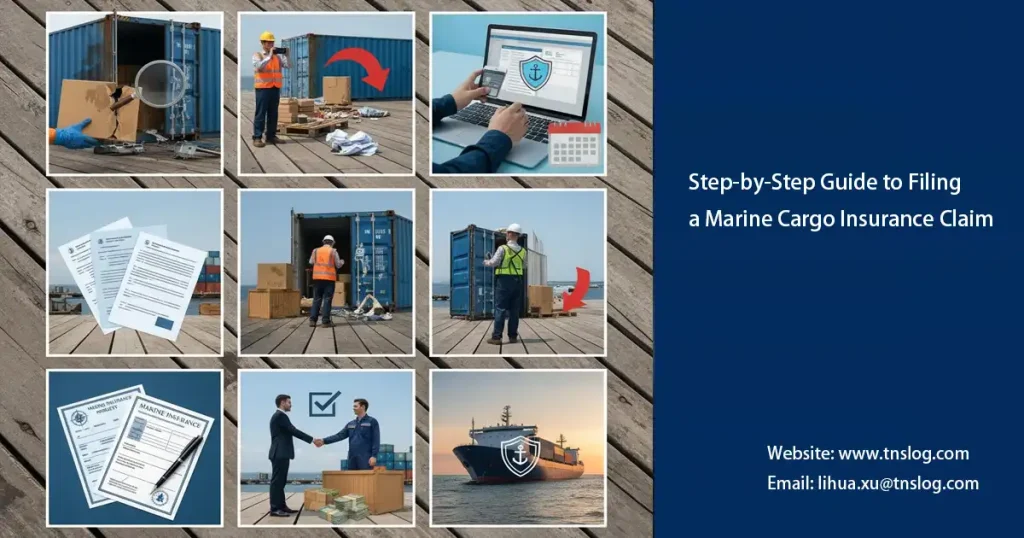
Step-by-Step Guide to Filing a Marine Cargo Insurance Claim
Navigating a marine cargo insurance claim can feel overwhelming, especially when you’re dealing with damaged goods, delays, or unexpected losses during international shipping. As a trusted freight forwarding company in Malaysia with years of experience handling cargo from ports like Port Klang and Penang, we’ve guided countless clients through successful claims for marine cargo insurance. Timely and accurate filing is key to recovering your losses quickly—delays or errors can lead to denied reimbursements. In this comprehensive guide, we’ll walk you through the essential steps for filing a marine cargo insurance claim, complete with practical tips to streamline the process and maximize your payout.
Step 1: Notify Your Insurer Without Delay
The clock starts ticking the moment you discover an issue with your marine cargo, such as water damage, pilferage, or total loss. Most marine cargo insurance policies require notification within 24 to 72 hours to avoid claim denials.
What to Do:
- Contact your insurer’s claims department via phone, email, or their dedicated portal.
- Provide basic details: policy number, voyage information (e.g., bill of lading details), date and location of the incident, and a preliminary description of the cargo loss.
✅ Pro Tip: In Malaysia, where monsoon seasons can exacerbate shipping risks, use apps or satellite phones for instant reporting if you’re at sea or remote ports. Document your notification timestamp and reference number—it’s your proof of compliance. By acting fast, you protect your rights under the policy and allow the insurer to initiate the marine cargo claim process early.
Step 2: Take Immediate Steps to Mitigate Further Damage
Your marine cargo insurance coverage often includes a “sue and labor” clause, meaning you’re obligated—and entitled—to minimize additional losses. This step bridges the gap between discovery and formal assessment, preserving as much value as possible.
Key Actions:
- Secure the affected cargo: Separate damaged items, ventilate containers to prevent mold, or transfer goods to a dry warehouse.
- Engage local experts: In ports like Singapore or Jakarta, hire temporary storage or basic salvage services.
- Track expenses: Log all costs related to mitigation, as they’re typically reimbursable in a successful shipping insurance claim.
✅ Pro Tip: As a Malaysia-based freight forwarder, we recommend partnering with certified surveyors right away—many insurers reimburse up to 80% of mitigation costs without affecting your main cargo damage claim. This proactive approach not only limits your financial exposure but also strengthens your overall marine cargo insurance claim by demonstrating due diligence.
Step 3: Compile Comprehensive Documentation
Documentation is the backbone of any marine cargo insurance claim. Insurers scrutinize evidence to verify the loss and calculate reimbursement, so thorough records can make or break your payout.
Essential Checklist for Your Cargo Loss Claim:
- Marine Insurance Policy: Include the certificate of insurance and endorsements specific to your shipment.
- Commercial Documents: Original bill of lading, commercial invoice, packing list, and cargo manifest.
- Incident Details: A detailed notice of loss form, including timelines, weather reports (crucial for Malaysia’s tropical routes), and crew statements.
- Visual Proof: High-resolution photos and videos of the damage, from container seals to individual affected items.
- Third-Party Reports: Port authority logs, customs declarations, or police reports if theft or collision occurred.
- Financial Records: Repair quotes, replacement invoices, and storage fees for the damaged cargo.
✅ Pro Tip: Digitize everything using cloud storage for easy sharing. For international shipments involving ASEAN trade, include Incoterms details to clarify responsibility in your shipping insurance claim. Organizing these upfront saves weeks in the claims process and reduces back-and-forth with adjusters.
Step 4: Collaborate with the Appointed Marine Surveyor
Once notified, your insurer will dispatch an independent marine surveyor to inspect the cargo and verify the extent of the loss. This expert’s report is pivotal for approving your marine cargo insurance claim.
How to Prepare:
- Schedule access promptly: Ensure the surveyor can examine the goods at the discharge port or warehouse.
- Provide context: Share voyage logs, loading surveys, and any pre-shipment inspections.
- Ask questions: Clarify their preliminary findings and follow any recommendations for preservation.
✅ Pro Tip: In Malaysia’s bustling logistics hubs, opt for surveyors accredited by the Malaysian Institute of Marine Engineering Technology (MIMET) for faster, credible assessments. Their input can boost your cargo damage claim value by accurately quantifying losses like spoilage in perishable goods. Treating the surveyor as a partner fosters transparency and accelerates the path to reimbursement.
Step 5: Fill Out and Submit the Official Claim Form
With your documents and surveyor report in hand, complete the insurer’s claim form. This formal submission triggers the official review of your marine cargo insurance claim.
Best Practices:
- Be precise: Describe the incident factually, linking it to covered perils like “particular average” or “general average.”
- Attach everything: Use a secure upload portal or certified mail for physical copies.
- Specify relief: Request reimbursement for direct losses, plus any consequential damages like demurrage fees.
✅ Pro Tip: Double-check for policy-specific clauses, such as deductibles or exclusions for war risks in high-tension sea lanes. If you’re handling FCL (full container load) shipments, highlight container number mismatches in your shipping insurance claim. Submitting a polished form minimizes revisions and gets your claim into the approval queue faster.
Step 6: Monitor Progress and Respond Proactively
Claims processing can take 30-90 days, depending on complexity and insurer workload. Staying engaged keeps momentum on your side.
Ongoing Tasks:
- Weekly check-ins: Email or call your claims handler for status updates.
- Address queries: Supply supplemental info, like supplier affidavits, within 48 hours.
- Track timelines: Note key dates, such as the 60-day window for surveyor disputes.
✅ Pro Tip: Maintain a dedicated claims folder with a communication log—dates, contacts, and summaries. For Malaysian exporters facing currency fluctuations, inquire about interim advances to cover urgent cash flow gaps in your cargo loss claim. Consistent follow-up turns potential roadblocks into smooth sailing toward settlement.
Step 7: Review and Finalize Your Settlement
Approval brings relief, but scrutinize the offer to ensure it aligns with your documented losses. Most marine cargo insurance claims settle via direct deposit or vendor payments.
Final Steps:
- Evaluate the payout: Compare against invoices and surveyor estimates.
- Negotiate if needed: Politely challenge undervaluations with evidence.
- Close the loop: Sign releases and provide banking details for reimbursement.
✅ Pro Tip: In cross-border scenarios, factor in Malaysian Ringgit conversions for international policies. Celebrate your win by updating your risk management—consider enhanced coverage for future voyages. For inspiration, explore real-life case studies of successful marine insurance claims to see how others navigated similar challenges. A well-handled marine cargo insurance claim not only recovers funds but builds resilience for your next shipment.
Conclusion
You may also be interested in
Have Anything To Ask Us?
Please fill in your email in the form and we’ll get back to assist you soon!