
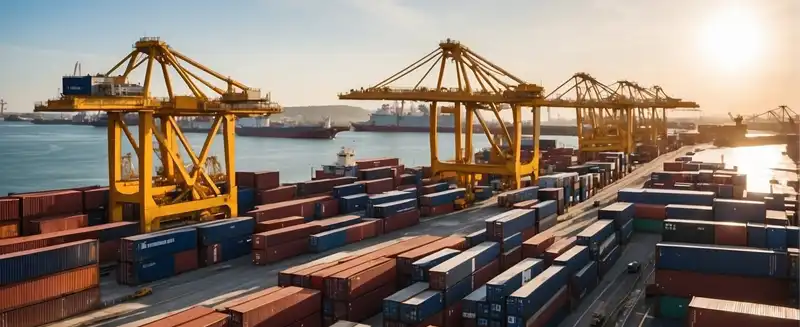
Quick answer: International shipping rates from Port Klang rise sharply between July and October as Asia-to-North America and Europe cargo volumes surge 20–30%, triggering General Rate Increases and Peak Season Surcharges on top of base freight. Carriers respond with blank sailings that cut available slots by 10–15%, so FCL and LCL bookings placed late can cost significantly more or simply have no space. Booking 6–8 weeks ahead and locking rates via a named forwarder with direct carrier contracts at Westport or Northport is the most reliable way to control cost.

Frequently Asked Questions
When exactly does peak season start for shipments out of Port Klang, and how early should I book?
The main peak runs July through October, driven by pre-Christmas restocking on Asia–North America and Asia–Europe lanes. Book FCL space at least 6–8 weeks ahead. For LCL consolidations through Westport or Northport, 4 weeks is the minimum — later than that and you risk rolled cargo and a higher PSS.
What surcharges get added to my base rate during peak season, and are they negotiable?
Expect a General Rate Increase (GRI), a Peak Season Surcharge (PSS), and potentially a Congestion Surcharge at Port Klang. BAF and CAF also move. GRI and PSS are carrier-set and mostly fixed, but a forwarder with volume commitments can sometimes absorb part of the PSS into an all-in rate.
How do blank sailings affect my cargo at Port Klang, and what happens to my Bill of Lading?
A blank sailing cancels a specific vessel departure. Your cargo stays at Westport or Northport awaiting the next available call. Your original Bill of Lading is reissued or amended to the new vessel. Watch the free-storage period — if the delay pushes you past it, demurrage charges begin immediately.
Does the Red Sea situation still affect freight rates out of Malaysia in 2025?
Yes. Vessels rerouting around the Cape of Good Hope add roughly 10–14 days to Asia–Europe transit times, reducing effective fleet capacity. This keeps Asia–Europe spot rates elevated. Confirm with your forwarder which routing your carrier is using before accepting a quote, as transit time and rate differ.
What can I do at the customs and documentation side to avoid extra costs during peak season congestion at Port Klang?
Submit your K1 declaration through Dagang Net's National Single Window and activate Pre-Arrival Processing (PAP) before the vessel berths. Accurate HS codes and a clean Bill of Lading prevent holds. Any query from SMK system during peak congestion can add days, and the free-storage period runs regardless.