Top Marine Insurance Companies & How to Compare Them

Even with modern logistics and advanced shipping technologies, cargo damage during ocean transport remains one of the most common challenges in international trade. The combination of long transit times, fluctuating weather conditions, multiple handling stages, and diverse cargo types means that losses can occur at any point in the journey. Understanding the top causes of cargo damage in ocean shipping is the first step toward preventing costly claims and ensuring smooth operations.

In this article, we’ll explore the main reasons cargo gets damaged at sea, how these risks can be mitigated, and why marine insurance remains a vital safeguard for every exporter and importer.

Top Marine Insurance Companies & How to Compare Them

1. Improper Packaging and Securing

One of the most frequent causes of cargo damage is inadequate or improper packaging. Ocean shipping exposes cargo to continuous movement, humidity, and stacking pressure. If packaging isn’t designed to withstand these stresses, damage is almost inevitable.

  • Weak or non-waterproof materials: Cardboard boxes and shrink wraps often fail to protect against sea humidity.
  • Insufficient cushioning or bracing: Fragile goods, electronics, and glass products may break due to vibration or impact.
  • Improper palletization: Unbalanced stacking leads to crushing and collapse.


Proper packaging standards—such as ISPM 15-certified wooden crates, anti-humidity liners, and reinforced corner protection—are essential for minimizing this type of loss.

2. Rough Handling During Loading and Unloading

Cargo damage often occurs not at sea, but during loading and unloading at ports. Forklifts, cranes, and manual handling all introduce risks of impact, puncture, and abrasion.

Factors contributing to handling damage include:

  • Untrained or rushed stevedores;
  • Inadequate supervision during container stuffing or stripping;
  • Overcrowded terminal operations leading to stacking errors.


To minimize these risks, shippers should insist on stuffing supervision, use certified freight forwarders, and document loading conditions with photos and reports for potential claims evidence.

3. Moisture, Condensation, and Water Ingress

Few risks are more destructive to cargo than moisture-related damage. During long voyages, temperature fluctuations cause condensation inside containers (“container rain”). Moisture can corrode metals, ruin packaging, and short-circuit electronics.

Common causes include:

  • Lack of desiccants or container ventilation;
  • Loading warm goods into cold containers;
  • Damaged container seals or improperly closed doors.

For high-value or sensitive goods, dehumidifier packs, ventilated containers, and temperature control should be standard practice. In some cases, as noted in Marine Insurance for High-Value Cargo, insurance policies can include temperature and humidity deviation coverage for extra protection.

4. Mechanical Stress and Ship Movement

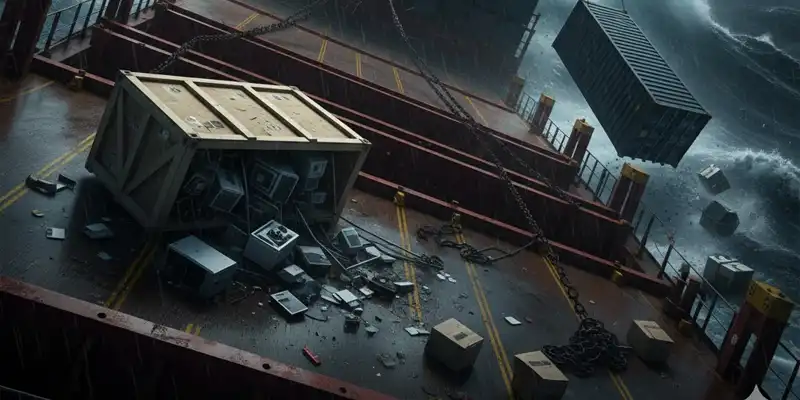
Cargo damage can also result from the motion of the vessel itself—rolling, pitching, and heaving in rough seas. This is particularly problematic when cargo is not properly lashed or distributed unevenly.

Potential issues include:

  • Shifted cargo: Heavy items move, crushing lighter goods.
  • Collapsed stacks: Poor load planning leads to uneven pressure.
  • Container drops or falls: Improper securing of containers on deck during storms.


Freight forwarders and carriers must ensure proper lashing plans and weight distribution to comply with the International Maritime Organization’s (IMO) Cargo Securing Manual standards.

5. Contamination and Odor Transfer

In shared shipping environments, contamination is a frequent but overlooked cause of cargo depreciation. Odors, moisture, or residues from previously shipped goods can transfer to new cargo.

Typical contamination scenarios include:

  • Chemical fumes or spills affecting nearby goods;
  • Food-grade cargo absorbing foreign smells;
  • Improperly cleaned containers after previous use.


Using container cleanliness checklists and container interchange reports before loading helps prevent disputes and supports insurance claims if contamination occurs.

6. Theft and Pilferage

Although less frequent than physical damage, theft and pilferage remain significant risks—especially for high-value goods like electronics, luxury items, and pharmaceuticals.

Theft often happens:

During port storage or customs inspection;

In transshipment hubs with minimal security;

When seals or locks are not properly used.

High-risk shipments should employ tamper-evident seals, GPS tracking, and secure bonded storage. Comprehensive coverage, including theft protection, is usually part of an “All Risks” marine insurance policy. You can learn more about this policy type and how it compares to WPA and FPA in All Risks, WPA, FPA — What Do They Really Mean?

7. Improper Stowage and Container Overloading

Stowage mistakes, such as uneven load distribution or exceeding container limits, can lead to catastrophic damage at sea. When weight is not evenly distributed, containers may collapse, shift, or even fall overboard.

Best practices include:

  • Following container loading limits strictly;
  • Evenly distributing weight across the floor area;
  • Avoiding mixed cargo types with incompatible requirements (e.g., moisture-sensitive goods with liquids).


Professional freight forwarders and carriers use specialized stowage software to ensure compliance with stability standards and reduce the risk of cargo damage.

8. Insufficient Marine Insurance Coverage

Despite taking all preventive measures, accidents can still occur. The absence of proper marine insurance coverage often turns minor damage into major financial losses. Many shippers underestimate the complexity of policy terms, assuming that carriers’ liability will cover all risks—which is rarely the case.

To prevent this, ensure that your coverage:

  • Matches the cargo type, value, and route;
  • Includes theft, contamination, and temperature-related risks;
  • Comes from a reputable insurer with proven claim-handling efficiency.

Conclusion

Cargo damage in ocean shipping can’t always be avoided—but it can be anticipated, mitigated, and insured. Combining robust packaging, compliant handling procedures, and comprehensive marine insurance gives businesses the best chance of minimizing financial loss.

Even the most experienced shippers encounter unexpected risks at sea. That’s why partnering with a reliable freight forwarder and securing the right insurance coverage remain the smartest defenses against loss.

If you’d like to review your current cargo insurance or evaluate how to strengthen your protection, contact our marine insurance specialists today for a free consultation and quote.

Have Anything To Ask Us?

Please fill in your email in the form and we’ll get back to assist you soon!

Items marked with * are mandatory