
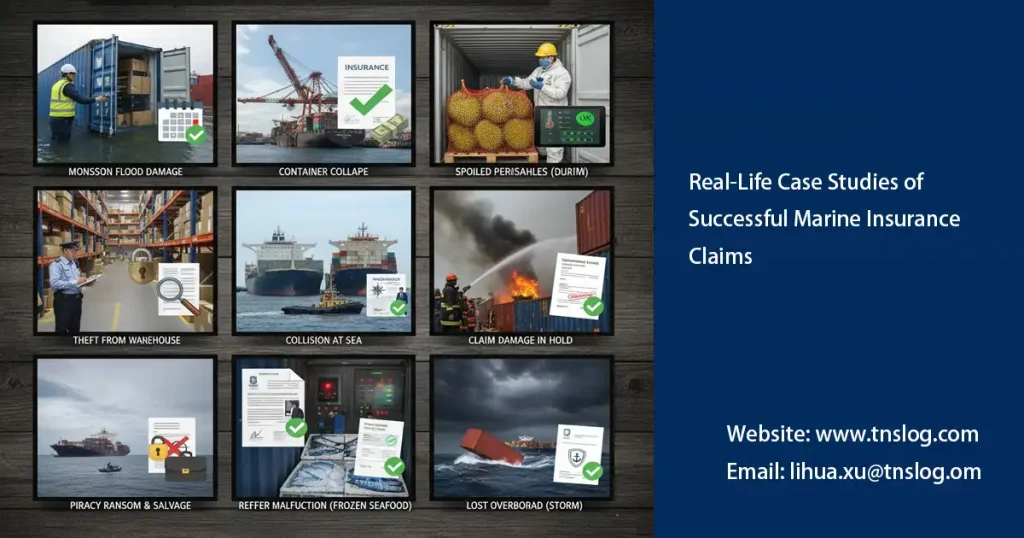
Quick answer: Successful marine insurance claims for Malaysian exporters often depend on meticulous documentation and rapid evidence collection. At Port Klang, coordinating cargo surveys and presenting clear data can shift insurers from initial denials to rightful compensation, as seen in cases involving electronics, machinery, and perishables.

Frequently Asked Questions
What are the essential documents for filing a marine insurance claim in Malaysia?
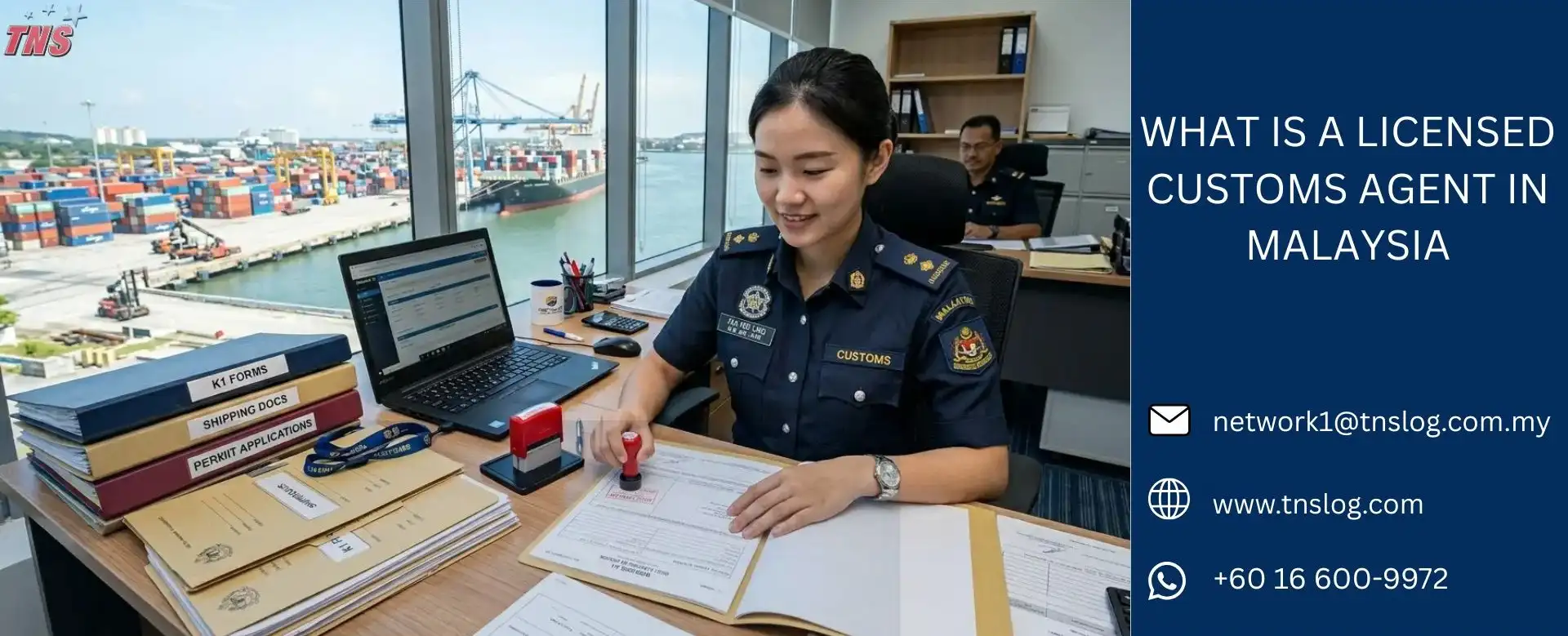
Key documents include the Bill of Lading, insurance policy, K1 declaration, survey report, and any evidence of mishandling or damage during transit, documented with photos or data log records.
How quickly must a claim be reported after receiving damaged cargo?
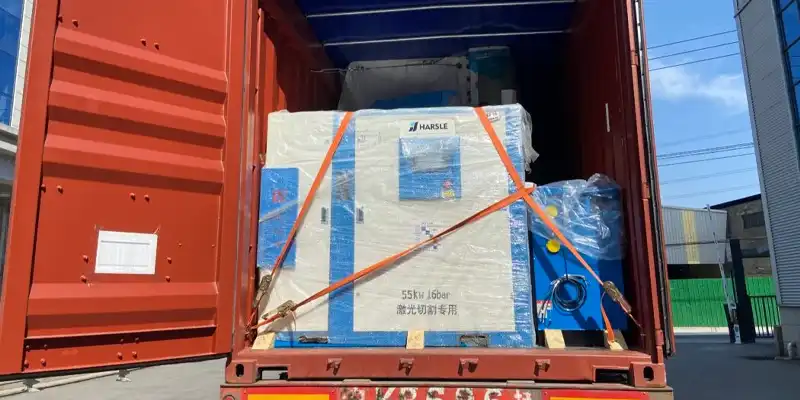
Typically, damages should be reported within 3 days of delivery. Delays can jeopardize the claim, although providing justification and evidence can sometimes resolve late notifications, as seen with precision CNC machinery to Turkey.
What role does a freight forwarder play in assisting with marine insurance claims?
A freight forwarder coordinates documentation, schedules cargo surveys, collects vital data like temperature logs, and effectively communicates with insurers to ensure claims are processed correctly.
How are disputes over fault for cargo damage typically resolved?
Disputes are often settled by presenting third-party survey reports or shipping system records that clearly show when and where damage occurred, such as moisture ingress during a Port Klang transshipment.
What insurance coverage terms are important to understand?
Familiarity with terms like 'All Risks,' 'WPA,' and 'FPA' is key, as they define the extent of coverage. All Risks covers most situations unless explicitly excluded, vital in successful electronics claims.