
Quick answer: Under Trump, U.S.-China tariff changes led companies to adapt by using transshipment through Malaysia, exploiting Free Trade Agreements to lower costs. Using Port Klang for transit can help mitigate high tariffs on Chinese goods by leveraging Malaysia's trade agreements with the U.S.



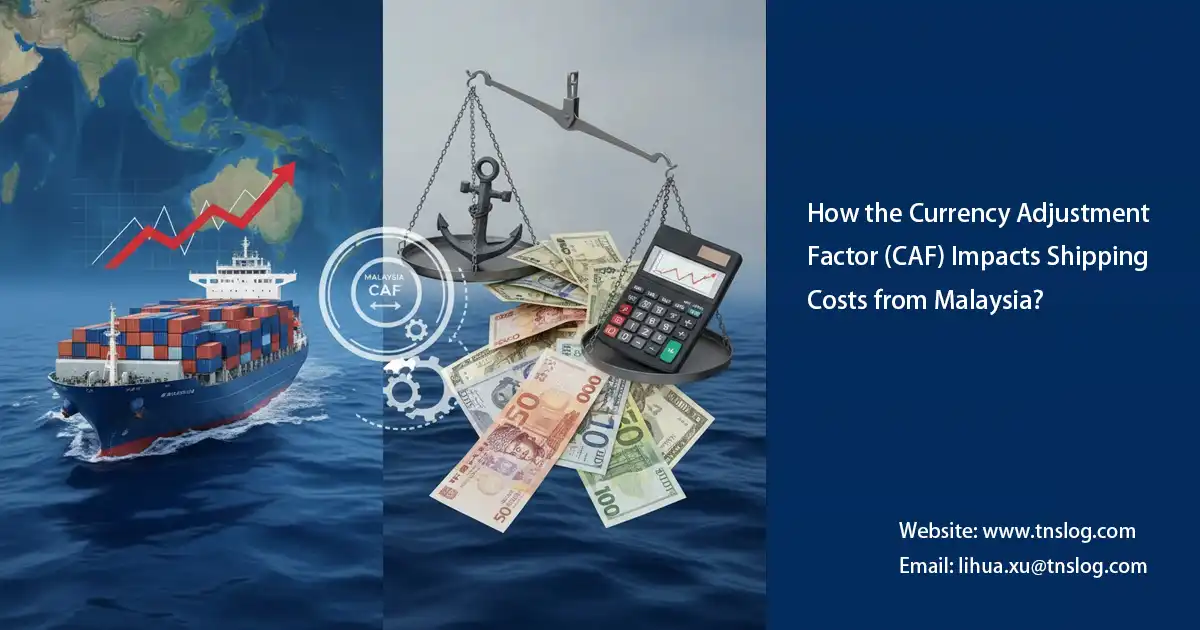
How the Currency Adjustment Factor (CAF) Impacts Shipping Costs from Malaysia?
Quick answer: The Currency Adjustment Factor (CAF) impacts Malaysian exports by altering freight costs based on USD to MYR exchange rate changes. As the USD
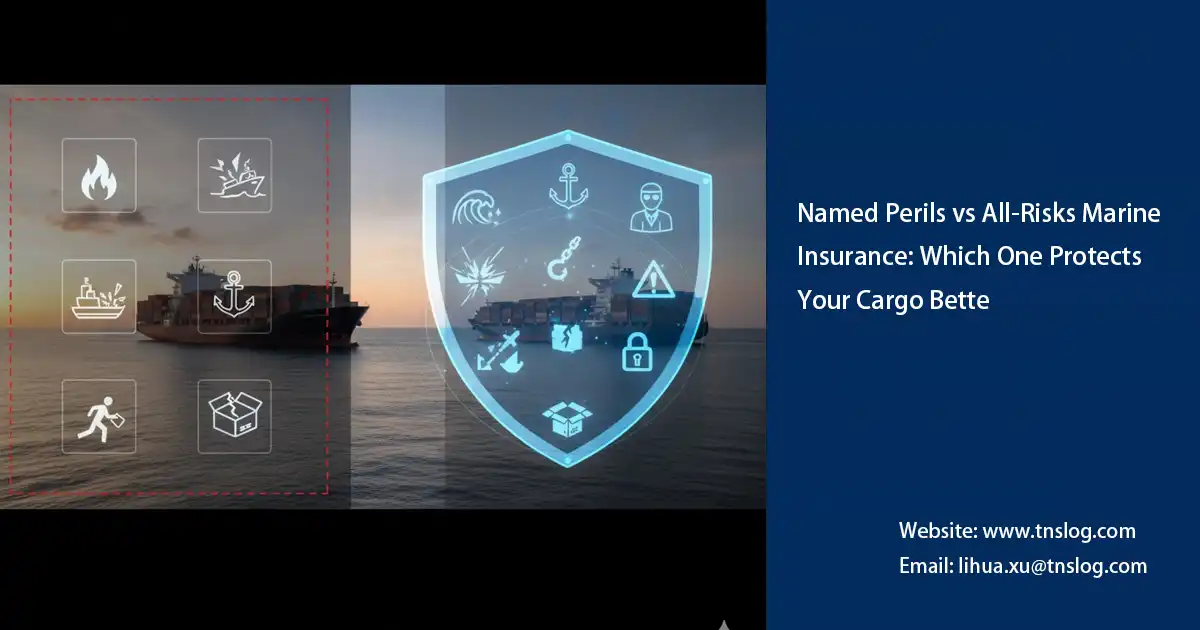
Named Perils vs All-Risks Marine Insurance
Quick answer: Named Perils Insurance covers specific risks like fire and collision, suitable for manageable routes like Southeast Asia to Japan. All-Risks Insurance offers broader
U.S.-China Tariff Policy Changes Under Trump and Business Response Strategies
Quick answer: Under Trump, U.S.-China tariff changes led companies to adapt by using transshipment through Malaysia, exploiting Free Trade Agreements to lower costs. Using Port
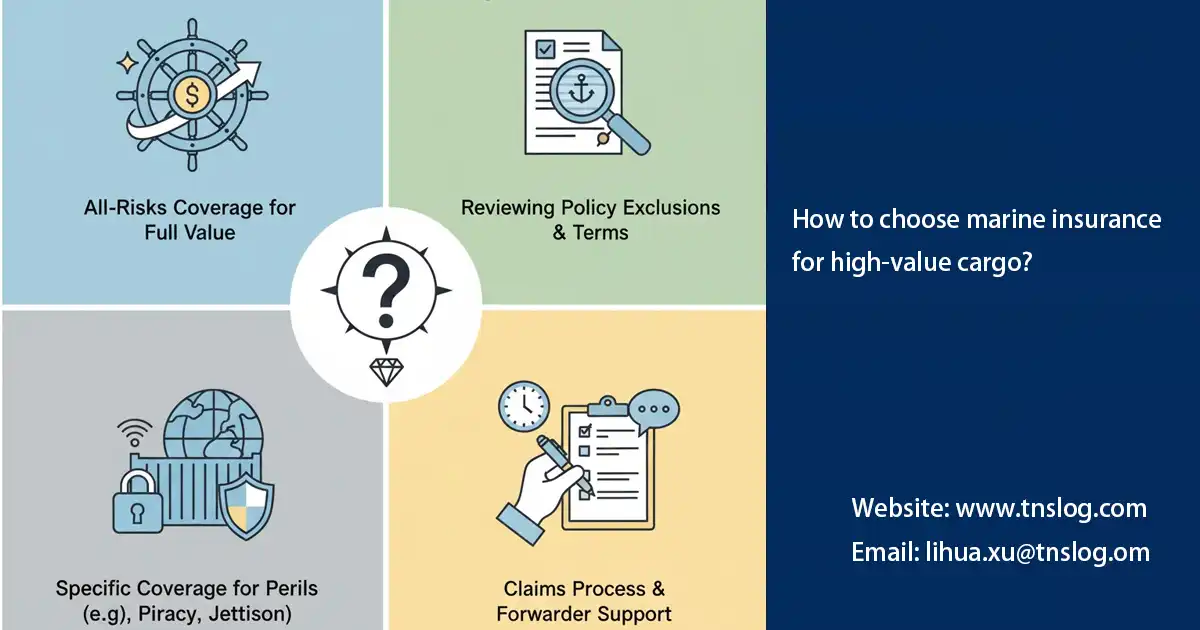
Marine Insurance for High-Value Cargo
Quick answer: Selecting marine insurance for high-value cargo involves choosing ICC (A) all-risk insurance for comprehensive coverage and ensuring the insured value reflects Malaysia-specific costs
Frequently Asked Questions
How can Malaysian ports help mitigate U.S.-China tariffs?
Use Port Klang for transshipment to capitalize on Malaysia's Free Trade Agreements, potentially reducing U.S. tariffs on Chinese goods.
What are the document requirements for transshipment through Malaysia?
Ensure a K1 declaration, Bill of Lading, and the certificate of origin are complete to aid quicker clearance at Westport/Northport.
What are the benefits of using Port Klang for transshipment?
Port Klang offers reduced transportation costs and efficient processing, with potential savings of 15% to 20% compared to direct shipments.
Which third-party countries are suitable for reducing tariffs?
Countries like Malaysia and Vietnam have favorable FTAs with the U.S. that can offer tariff advantages for transshipped goods.
What is the risk management process in transit via Malaysia?
Monitor policy changes, select reliable local logistics partners, and purchase insurance to secure your goods in transit.