Call Our Sales
Albee012-713 9629 Wenxin012-952 9629 Kai012-831 9629 Umi012-247 9629 Mei012-236 9629

Quick answer: Marine insurance for dangerous goods shipped from Malaysia, including through Port Klang, ensures compliance with the IMDG code and protects against risks like fire, explosion, and third-party liability. Ensure your cargo classification and documentation adhere to Malaysian regulations for seamless transit.
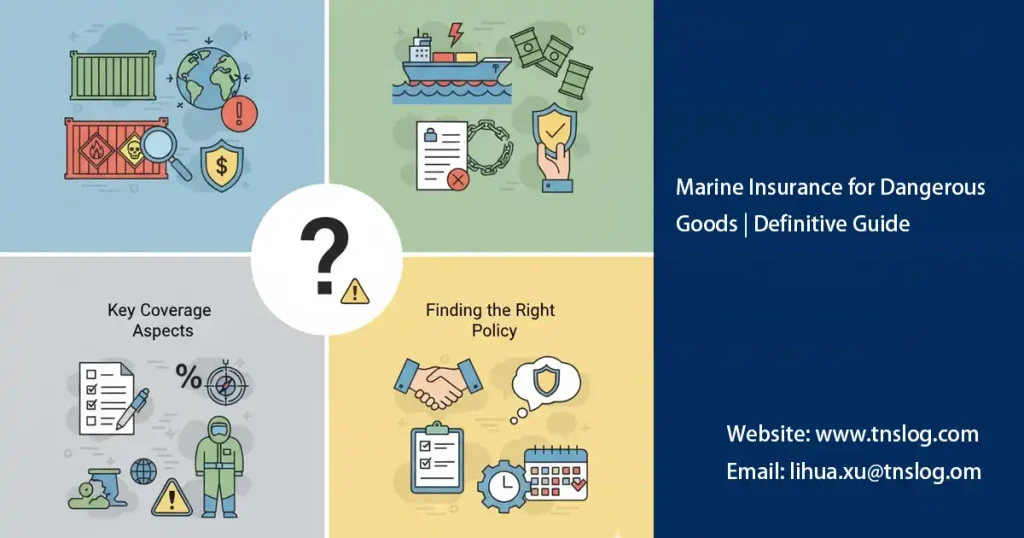
Marine Insurance for Dangerous Goods | Definitive Guide

Transporting dangerous goods—whether chemicals, flammable liquids, or other hazardous materials—requires careful planning and comprehensive insurance. Are you confident your shipment is fully protected against the risks of handling, storage, and transit? Marine insurance for dangerous goods is not just regulatory compliance; it’s a critical safeguard for your business continuity and financial security.

Marine Insurance for Dangerous Goods

Definition of Dangerous Goods

Dangerous goods are items that pose a risk to health, safety, property, or the environment during transportation. These include flammable liquids, explosives, corrosive chemicals, gases, and toxic substances. Proper classification, labeling, and documentation are mandatory to ensure safety and insurance coverage. Understanding what qualifies as dangerous goods is the first step in selecting appropriate marine insurance.

Legal Requirements and Restrictions

Shipping dangerous goods is heavily regulated internationally. The International Maritime Dangerous Goods (IMDG) Code sets out rules for packaging, labeling, stowage, and segregation on ships. Non-compliance can lead to cargo rejection, fines, or voided insurance. Marine insurance for dangerous goods must align with these regulations; policies often require proof of compliance with IMDG codes and other local or international restrictions to be valid.

Types of Coverage Available

Insurance for dangerous goods is more specialized than standard marine cargo insurance. Policies typically cover:

  • Physical Damage: Protects against fire, explosion, spillage, or container damage.
  • Third-Party Liability: Covers damage to the vessel, other cargo, or port facilities caused by hazardous materials.
  • Delay and Contingency Risks: Some policies offer compensation for delays or losses due to regulatory inspections or re-routing requirements.

For a detailed overview of available marine insurance types, refer toOverview of Main Types of Marine Cargo Insurance.

How to Choose Marine Insurance for Dangerous Goods

Selecting the right policy involves more than simply adding insurance to your shipment. Key considerations include:

  • Cargo Classification: Correctly identifying your cargo according to the IMDG code ensures your policy covers all risks.
  • Coverage Scope: Ensure the policy includes both physical damage and liability risks unique to hazardous materials.
  • Insurer Expertise: Choose insurers or freight forwarders experienced with dangerous goods; they can provide guidance on risk management, packaging requirements, and claim handling.

Partnering with an experienced freight forwarder adds value by streamlining insurance selection, ensuring compliance, and optimizing risk mitigation strategies. Learn how freight forwarders enhance cargo insurance effectiveness in How Freight Forwarders Add Value with Cargo Insurance?

Handling Claims and Risks

Claims involving dangerous goods can be complex due to strict regulatory oversight. To facilitate smooth claims:

  • Maintain thorough documentation, including shipping papers, MSDS (Material Safety Data Sheets), and insurance certificates.
  • Follow recommended packaging, labeling, and storage protocols.
  • Work closely with your insurer or freight forwarder to submit accurate and complete claim reports.

Proactive risk management, combined with a comprehensive insurance policy, ensures that even in the event of fire, spillage, or regulatory delays, your business is protected and losses are minimized.

Conclusion: Safeguard Your Dangerous Goods with the Right Insurance

Marine insurance for dangerous goods is essential for any business transporting hazardous cargo. Proper coverage protects not only the shipment but also your company’s financial and legal standing. Partnering with experienced freight forwarders ensures compliance, optimized risk management, and efficient claims handling, giving you peace of mind throughout the transportation process.

Frequently Asked Questions

What documents are needed for shipping dangerous goods from Malaysia?

You need a K1 declaration, Bill of Lading, MSDS for hazardous materials, and proof of compliance with the IMDG code. Accurate submission via the Dagang Net National Single Window is critical for smooth processing.

How can I ensure compliance with dangerous goods regulations at Port Klang?

Follow the IMDG code for classification, labeling, and packaging. Utilize the SMK system for document submission and meet all local requirements to avoid penalties or cargo delays.

What types of coverage are available for marine insurance of dangerous goods?

Coverage includes physical damage (fire, explosion), third-party liability (damage to port facilities), and delay risks. Ensure your policy aligns with these needs for full protection.

What happens if my dangerous goods cargo causes a delay at a Malaysian port?

A marine insurance policy that covers delay and contingency risks will compensate for losses due to regulatory inspections or re-routing. Check your policy terms for specifics.

Who should I contact for expertise in shipping dangerous goods from Malaysia?

Choose freight forwarders with experience in dangerous goods management. They assist in risk management and regulatory compliance, crucial for seamless shipment from Port Klang.

Have Anything To Ask Us?

Please fill in your email in the form and we’ll get back to assist you soon!

Items marked with * are mandatory