Call Our Sales
Albee012-713 9629 Wenxin012-952 9629 Kai012-831 9629 Umi012-247 9629 Mei012-236 9629

Quick answer: Freight forwarders add value with cargo insurance by assessing route-specific risks, aligning key documents—Bill of Lading, insurance certificate, commercial invoice, packing list—and coordinating surveyors and claims when damage occurs. At Port Klang, where LCL and FCL cargo moves through Westport and Northport daily, a forwarder's insurer relationships often secure broader coverage at lower premiums than a shipper can obtain independently. They also act during emergencies—preserving photographic evidence, arranging temporary warehousing, and submitting claims before the free-storage period expires.
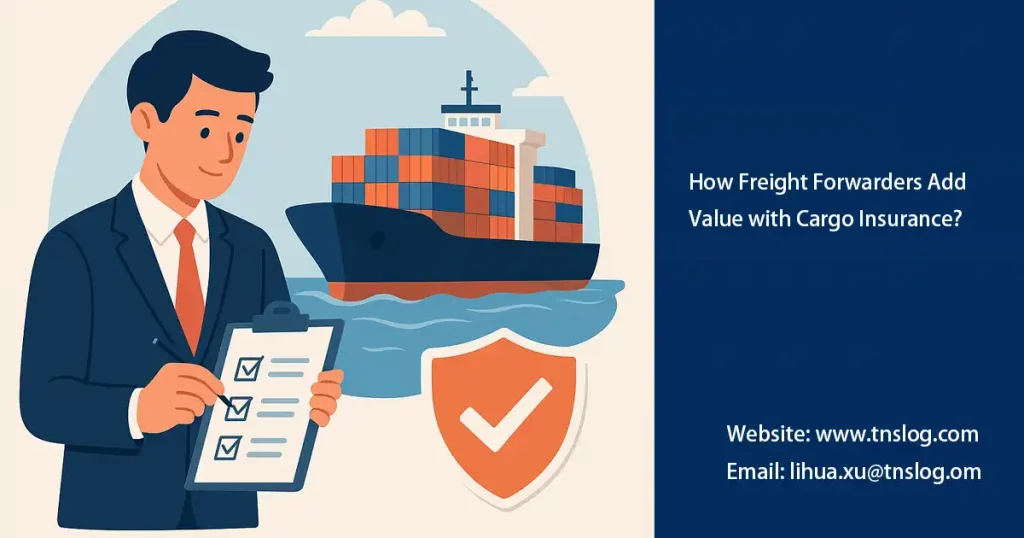
How Freight Forwarders Add Value with Cargo Insurance?

Freight forwarders do far more than just arrange shipments—they play a vital role in protecting cargo value through insurance solutions. In global trade, risks such as rough seas, cargo theft, or handling damage can cause significant losses. A knowledgeable freight forwarder not only helps clients buy suitable marine insurance but also manages the entire process—from risk assessment to claims coordination—ensuring that coverage truly works when it matters most.

How Freight Forwarders Add Value with Cargo Insurance?

Comprehensive Risk Assessment from the Start

The first step to adding value begins with a precise understanding of cargo risks.
Freight forwarders evaluate shipment routes, cargo types, and handling conditions to determine the right insurance coverage. For instance, electronics may require moisture protection, machinery may need vibration coverage, and perishable goods may demand temperature-sensitive clauses.

By matching insurance terms with the actual risk profile, freight forwarders help minimize exclusions and claim disputes, ensuring that businesses get the compensation they deserve when damage occurs.

Streamlined Documentation for Faster Claims

Documentation errors are among the top reasons for marine insurance claim delays. Freight forwarders streamline the process by aligning bills of lading, insurance certificates, invoices, and packing lists to maintain consistency.

This organized approach allows claims to be submitted quickly and accurately. To better understand how the claim process works, see our detailed guide: Step-by-Step Guide to Filing a Marine Cargo Insurance Claim.

When incidents happen, this preparedness means quicker insurer approval and faster fund recovery—critical for maintaining smooth business cash flow.

Immediate Response During Emergencies

When cargo damage or loss occurs, the forwarder’s ability to act swiftly makes all the difference.
They can immediately contact surveyors, preserve evidence, and coordinate mitigation steps such as cargo segregation or temporary warehousing.

A reliable freight forwarder ensures the collection of key documentation—inspection reports, timestamped photos, and transfer receipts—strengthening the insurance claim and speeding up compensation.

Cost Efficiency through Market Leverage

Freight forwarders often have established partnerships with insurers or brokers, enabling them to negotiate lower insurance premiums and broader coverage for their clients.
Because they handle large shipping volumes, they can secure favorable terms such as reduced deductibles and added protection clauses.

This provides shippers and exporters with comprehensive coverage at a lower cost, which is often more competitive than purchasing insurance independently.

If you’re still weighing whether to buy coverage through your logistics partner, check out our related article, Should You Buy Marine Insurance Through Your Freight Forwarder?, which explores the cost-benefit considerations in detail.

Expert Risk Management and Preventive Guidance

An experienced freight forwarder is also a risk advisor. They provide valuable recommendations to prevent losses before they happen—suggesting better packaging, load securing methods, and optimal container selection.

This proactive involvement reduces the likelihood of claims and strengthens the company’s ability to prove due diligence when filing for compensation.

Continuous Coverage in Multimodal Shipments

In modern global logistics, cargo often moves through multiple modes of transport and third-country hubs.
By integrating cargo insurance with the logistics chain, freight forwarders ensure there are no coverage gaps. Policies can be customized to extend protection to inland transport or temporary warehousing, guaranteeing that the insurance “travels with the cargo” from origin to destination.

Transparency and Trust

A professional freight forwarder will always provide full transparency regarding insurer details, coverage scope, exclusions, and pricing structure.
This helps clients make informed decisions about their marine cargo insurance while maintaining trust and accountability throughout the process.

Conclusion

Freight forwarders add significant value to cargo insurance management through expert risk assessment, efficient documentation, rapid claims handling, cost optimization, and professional consultation. Their involvement transforms insurance from a mere policy into a powerful risk management tool that protects shipments, strengthens financial stability, and enhances operational resilience.

If you want to learn how to integrate marine insurance into your logistics strategy or explore ways to reduce your insurance premium, talk to us today. Our experts can help you design a coverage plan that balances cost, efficiency, and peace of mind.

Frequently Asked Questions

What documents does a freight forwarder prepare for a marine insurance claim in Malaysia?

The core set is Bill of Lading, marine insurance certificate, commercial invoice, packing list, and a surveyor's inspection report. For Port Klang shipments, the K1 declaration and SMK system records also support the loss timeline. Missing any one document is the fastest way to delay insurer approval.

Does buying marine insurance through a Malaysian freight forwarder cost less than going directly to an insurer?

Usually yes. Forwarders handling regular FCL and LCL volumes at Port Klang negotiate group rates with insurers—lower deductibles and wider clauses. A standalone shipper buying a single policy has no volume to negotiate with, so the premium is typically higher for equivalent coverage.

How quickly must a cargo damage claim be filed after a Port Klang discharge?

Most marine policies require written notice of damage within three to seven days of delivery. File before the free-storage period ends. If cargo sits past that window and demurrage accumulates, insurers may question whether the damage worsened due to delayed action—weakening your claim.

Can a freight forwarder help with multimodal shipments—for example, Port Klang to an inland Malaysian destination—under one insurance policy?

Yes. A through-coverage policy covers sea, port handling, and inland trucking under one certificate. The forwarder aligns this with the Bill of Lading and transport legs so there is no coverage gap between Westport discharge and final delivery at an inland warehouse or factory gate.

What should a Malaysian exporter do immediately when cargo damage is discovered at the destination port?

Contact your freight forwarder before moving the cargo. They appoint a surveyor, collect timestamped photos, and secure transfer receipts. Do not sign a clean delivery receipt. A forwarder who has the Dagang Net National Single Window records and original shipping documents can start the claims process the same day.

Have Anything To Ask Us?

Please fill in your email in the form and we’ll get back to assist you soon!

Items marked with * are mandatory