
Quick answer: In Malaysia, shipping less than 13–15 CBM usually makes LCL cheaper, but FCL is cost-effective and faster once you exceed this volume. Choose Port Klang Westport for frequent sailings or Penang Port for northern regions to save on inland trucking.

Logistics Expert In Furnitures Export From Malaysia
Quick answer: Exporting furniture from Malaysia is streamlined with TNS LOG’s sea and air freight services from Port Klang. With 10 years in the industry,
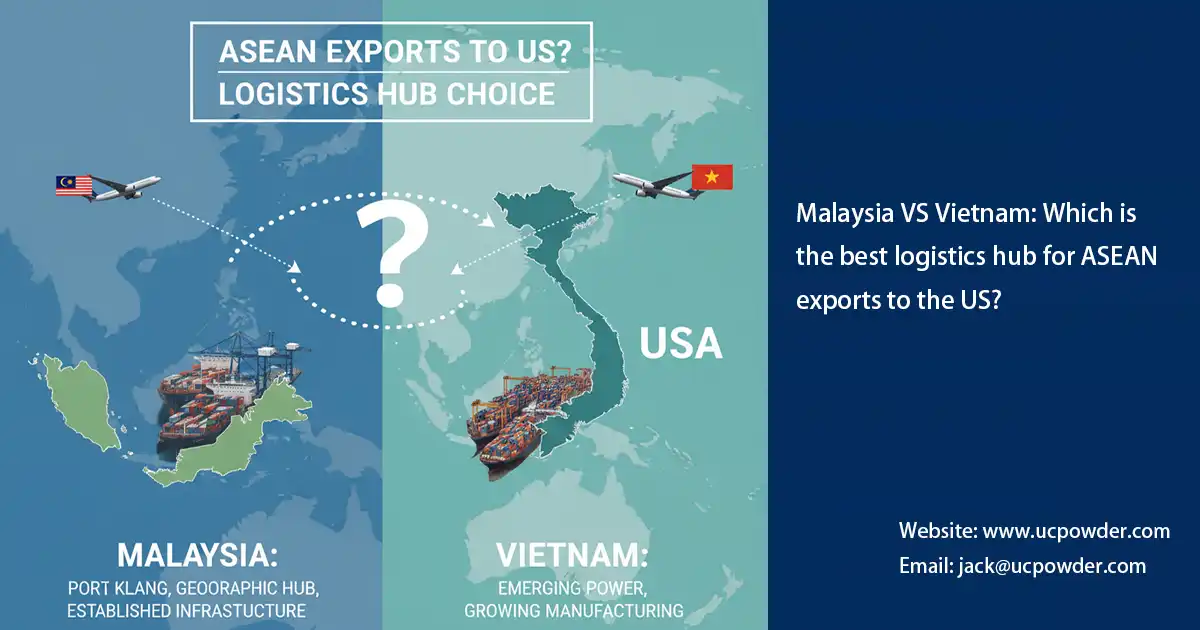
Malaysia VS Vietnam: Which is the best logistics hub for ASEAN exports to the US?
Quick answer: Malaysia is often the better logistics hub for ASEAN exports to the US due to the unmatched efficiency of its ports like Port
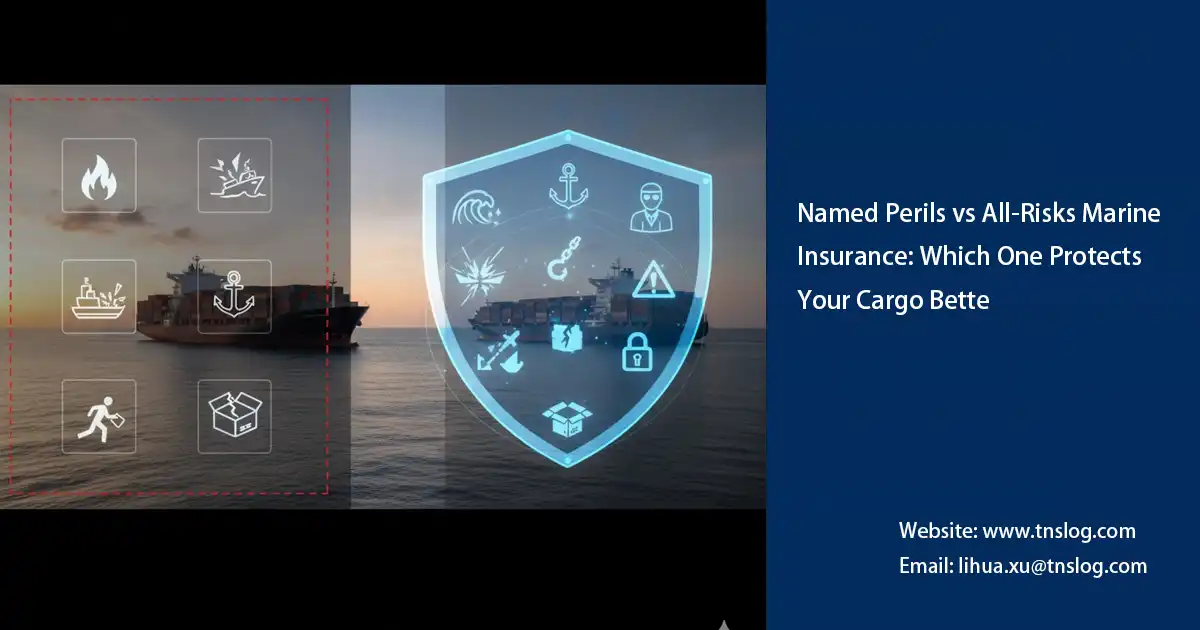
Named Perils vs All-Risks Marine Insurance
Quick answer: Named Perils Insurance covers specific risks like fire and collision, suitable for manageable routes like Southeast Asia to Japan. All-Risks Insurance offers broader

Unlock ASEAN Free Trade with Malaysia Freight Solutions
Quick answer: ASEAN Free Trade offers businesses in Malaysia significant benefits like reduced tariffs through CEPT, faster customs clearance at Port Klang, and cost-effective transshipment
Frequently Asked Questions
What is the CBM break-even between LCL and FCL shipping from Malaysia?
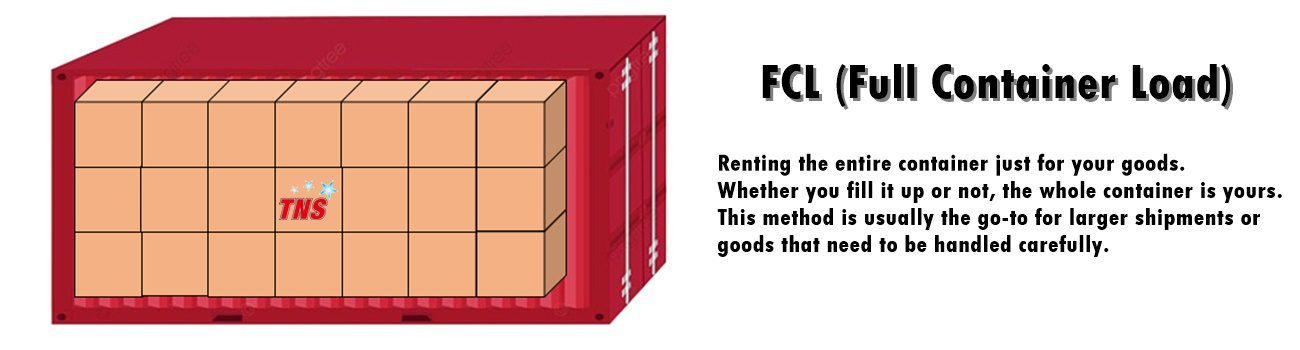
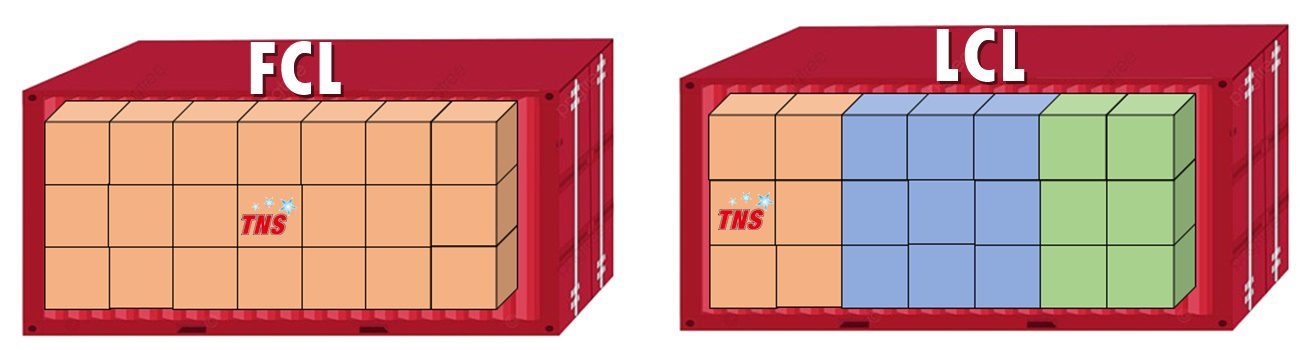
The practical break-even is 13–15 CBM for most lanes out of Port Klang. Below that, LCL is cheaper. Above it, a 20-foot FCL is usually more cost-effective once you include CFS handling charges on the LCL side. Always compare full landed costs, not just the ocean freight line item.
How long does LCL shipping take from Port Klang compared to FCL?
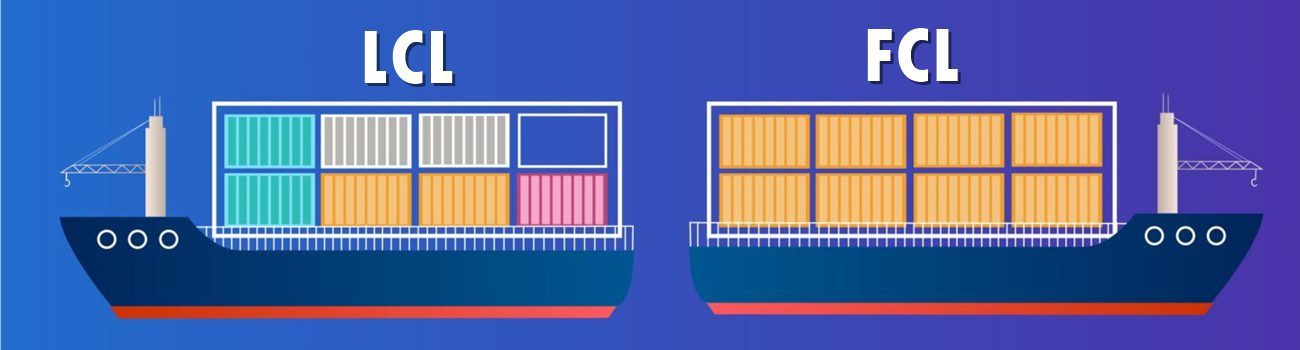
The ocean transit time is identical — both modes use the same vessel. The difference is at the ends. LCL cargo must arrive at the origin CFS 2–4 days before vessel cut-off, and at the destination it goes through deconsolidation at a CFS before release, adding another 2–5 days. FCL containers move more directly and are typically available faster after vessel arrival at destination.
Which documents are required for LCL or FCL export from Malaysia?
You need a Commercial Invoice, Packing List, Bill of Lading (Master and House B/L for LCL; Master B/L for FCL), and a K1 Customs Export Declaration filed through the SMK system via Dagang Net National Single Window. A Certificate of Origin is required if your buyer is claiming preferential tariff rates. Incorrect HS codes on the K1 are the most common cause of customs holds — check them before filing.
Can I ship LCL from Penang or Pasir Gudang, or only from Port Klang?
LCL consolidation is available from Penang Port and, to a more limited extent, from Pasir Gudang. For cargo originating in northern Malaysia, Penang Port often reduces inland haulage cost enough to offset any freight premium. Port Klang Westport has the widest range of CFS operators and the most frequent sailing schedules for both LCL and FCL.
What is demurrage and how does it affect FCL shipments?
Demurrage is the daily charge imposed by the shipping line when a container is not returned within the free-storage period — typically 3–5 days after vessel discharge at the destination port. At many ports, this runs from roughly USD 50 to USD 150 per day per container, sometimes higher. It applies to FCL only. LCL shipments do not carry container demurrage risk for the consignee, though the CFS may charge storage fees after a certain period.
What is freight consolidation and how is it different from LCL?
Freight consolidation means grouping multiple shippers' cargo into one FCL container, managed by a freight forwarder like TNS Log Services. Standard LCL is arranged by a CFS operator at the port. Consolidation services often run on fixed weekly schedules to specific destinations, giving you more predictable cut-off and sailing dates. It works best for regular shippers with 8–18 CBM per shipment who want scheduling certainty without paying for a full FCL.