All Risks, WPA, FPA — What Do They Really Mean?
When shipping goods internationally, one of the most confusing aspects for exporters and importers alike is understanding marine cargo insurance terms—especially All Risks, With Particular Average (WPA), and Free from Particular Average (FPA). These terms define how much protection your cargo actually has in the event of damage or loss, and choosing the wrong one can mean the difference between full compensation and a denied claim.
This article explains what each coverage means, how they differ in real-world situations, and how to choose the right protection for your cargo—based on decades of freight forwarding experience in the Malaysian market.
What Is “All Risks” Coverage?
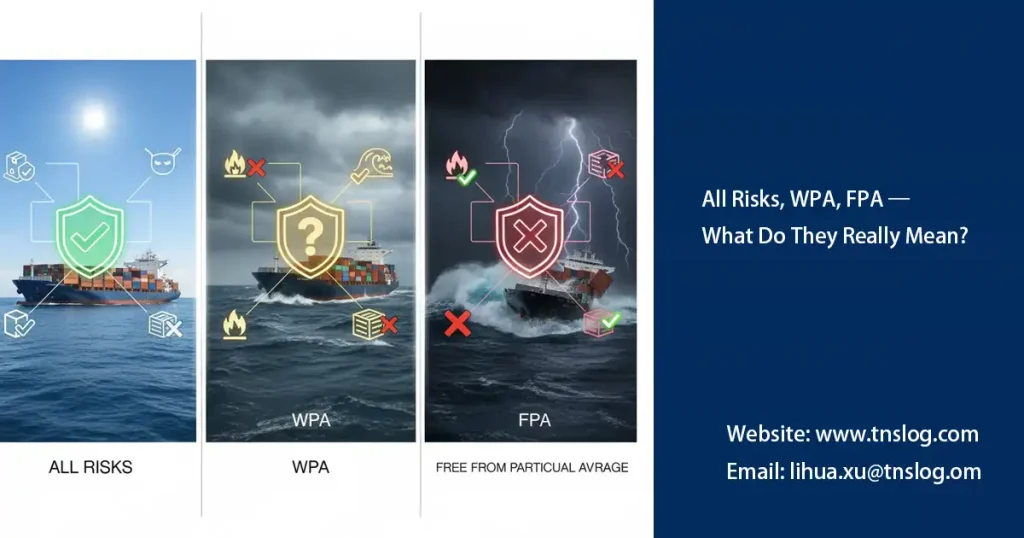
All Risks (sometimes written as “All Risk” or “All Risks Clause”) offers the broadest level of protection available under marine cargo insurance. It covers all physical loss or damage from external causes during transit, unless specifically excluded.
Typical Coverage Includes:
Damage from mishandling during loading/unloading
- Water damage caused by heavy weather, seawater ingress, or leakage
Theft or pilferage during transit
Fire, explosion, or collision
Non-delivery of entire packages
However, “All Risks” does not mean “every conceivable risk.” Common exclusions include:
Improper packing or stowage by the insured
Delay, loss of market, or inherent vice of the goods
War, strikes, riots, or civil commotion (these require additional clauses)
In short, All Risks = Broadest protection with limited exclusions.
Many exporters prefer this coverage for high-value or fragile goods, as it provides peace of mind and simplifies the claims process.
(Related reading: [Overview of Main Types of Marine Cargo Insurance])
What Is “With Particular Average” (WPA)?
WPA—short for With Particular Average—offers partial coverage against specific types of damage or loss caused by insured perils, mainly maritime accidents.
Typical WPA Covers:
-
Damage or loss caused by perils of the sea, such as grounding, sinking, collision, heavy weather, or fire
-
Partial damage to goods if caused by these maritime incidents
In other words, WPA covers partial losses resulting from specific marine accidents. If the damage is minor and unrelated to a peril of the sea (for example, minor wetting from condensation or warehouse mishandling), the claim may not be recoverable.
Example:
If your container suffers partial cargo damage because the ship encountered a severe storm and seawater entered the hold, WPA would likely cover it.
But if the damage occurred during inland trucking or warehouse handling without a “marine peril,” it would likely fall outside WPA’s scope.
What Is “Free from Particular Average” (FPA)?
FPA—or Free from Particular Average—is the most limited form of coverage among the three. It only compensates for total loss or major partial loss arising from serious maritime accidents.
FPA Typically Covers:
-
Total loss of an entire shipment due to sinking, stranding, fire, or collision
-
General Average contributions (if declared)
It does not cover:
-
Partial damage to individual packages
-
Losses from rough handling, moisture, or minor leakage
Example:
If a vessel sinks and your entire cargo is lost, FPA pays the claim. But if only a few cartons are damaged during loading, FPA provides no compensation.
Because of its limited protection, FPA is rarely recommended today—except for bulk commodities with low unit value, such as scrap metal or coal.
Choosing the Right Coverage for Your Cargo
Selecting the right coverage depends on your cargo type, shipping route, value, and risk tolerance.
| Factor | Recommended Coverage | Reason |
|---|---|---|
| High-value electronics, machinery, fragile items | All Risks | Broadcast protection against handling and transport damage |
| Industrial raw materials, semi-finished goods | WPA | Balanced protection with lower premiums |
| Bulk goods (coal, sand, grain, etc.) | FPA | Limited coverage suits low-value, high-volume cargo |
| Dangerous or high-risk routes | All Risks + War & SRCC Clauses | Additional cover for political or war-related risks |
As a freight forwarder, we often advise shippers to evaluate their end-to-end logistics risk. Remember that marine insurance typically covers only during the ocean leg unless the policy extends to “warehouse-to-warehouse.” (You may also be interested in: [Top Causes of Cargo Damage in Ocean Shipping])
Common Misunderstandings About Coverage
-
“All Risks means every possible risk.”
→ False. It excludes improper packing, delay, and inherent vice unless specifically endorsed. -
“My carrier’s liability covers the same as insurance.”
→ Incorrect. Carrier liability is limited by international conventions (e.g., $2/kg under Hague-Visby). Only cargo insurance offers full indemnity. -
“WPA is cheaper and almost the same as All Risks.”
→ Not true. WPA excludes many non-maritime losses such as pilferage or minor handling damage. -
“FPA is good enough for any cargo.”
→ False. FPA suits only bulk or low-value goods; for containerized shipments, it leaves significant risk uncovered. -
“My freight forwarder automatically provides insurance.”
→ Misconception. Freight forwarders can arrange insurance, but coverage must be explicitly confirmed and documented in the shipping instructions.
Frequently Asked Questions (FAQ) About All Risks, WPA and FPA Insurance
Q1: What is the difference between All Risks, WPA and FPA in cargo insurance?
All Risks offers the broadest coverage including theft and handling damage. WPA covers partial losses from maritime accidents like storms. FPA only covers total loss from major disasters like ship sinking.
Q2: Which cargo insurance is best for shipping from Malaysia?
For most shipments from Malaysian ports like Port Klang, All Risks coverage is recommended as it provides maximum protection against damage, theft and handling losses.
Q3: Does WPA cover theft of cargo during shipping?
No. WPA does not cover theft or pilferage. Only All Risks coverage includes protection against theft during transit.
Q4: Is FPA cargo insurance suitable for electronics?
No. FPA is only suitable for bulk low-value cargo like coal or scrap metal. For electronics, All Risks coverage is strongly recommended.
Q5: What is the difference between All Risks and ICC A clauses?
All Risks is the older term while ICC A is the modern equivalent. Both offer the broadest marine cargo coverage with similar exclusions.
Q6: Does cargo insurance cover damage during inland trucking in Malaysia?
It depends on your policy. A warehouse-to-warehouse policy covers inland trucking. Always confirm coverage scope with your freight forwarder before shipping.
Conclusion: Protecting Your Cargo the Smart Way
Understanding the difference between All Risks, WPA, and FPA is crucial for effective risk management in international trade. The cheapest premium is not always the best protection—especially when a single cargo claim can cost far more than the savings on insurance.
For shippers using Malaysian ports or transshipment routes, we recommend discussing your cargo’s nature, routes, and risk exposure with a freight forwarder experienced in marine insurance coordination.
Our team can help you:
-
Evaluate which policy clause best suits your shipment;
-
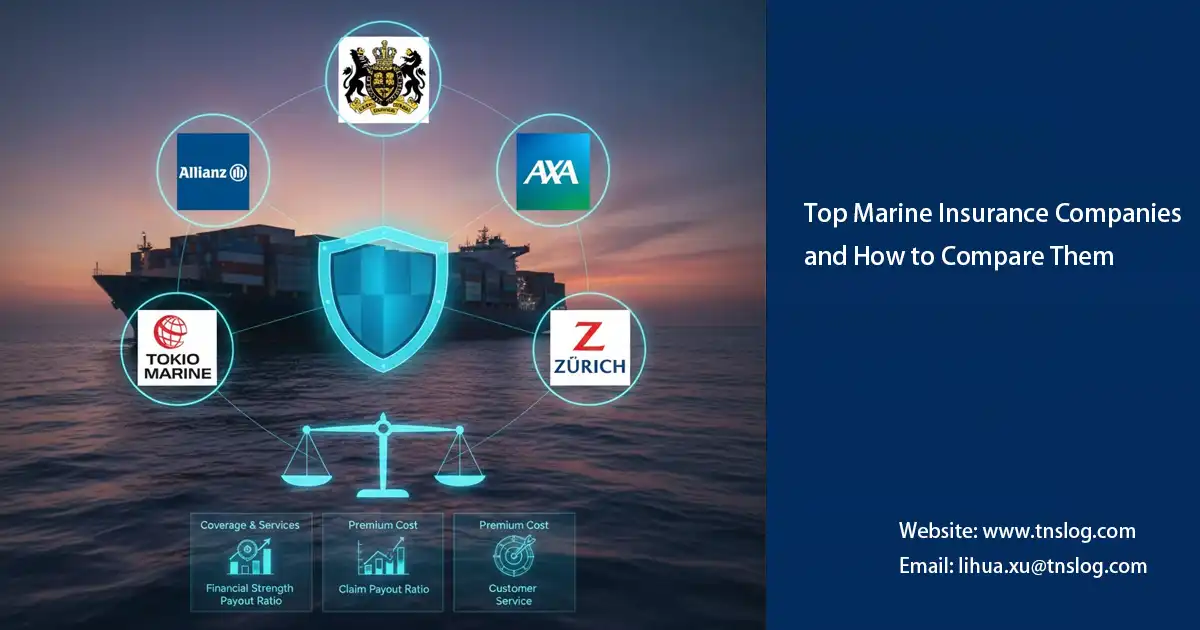
Arrange marine insurance certificates through reputable underwriters;
-
Coordinate claim documentation and recovery if damage occurs.
Contact us to ensure your next shipment sails with the right protection—before it leaves port.
Trusted Marine Insurance Partner — TNS Logistics Malaysia
Get Marine Cargo Insurance for Your Shipment from Malaysia
Every shipment deserves the right protection. TNS Logistics Malaysia helps you choose between All Risks, WPA and FPA coverage with full documentation support and dedicated team guidance.
+60 17-6034209
Selangor Malaysia
You may also be interested in
Have Anything To Ask Us?
Please fill in your email in the form and we’ll get back to assist you soon!